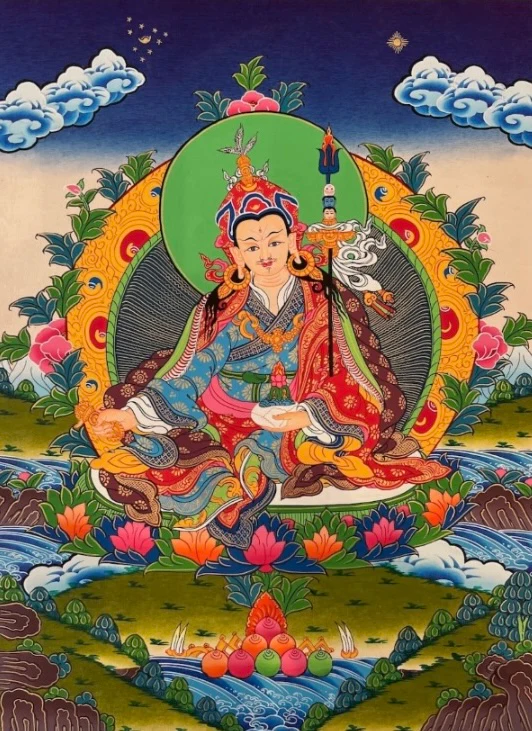
Samye Monastery was founded in 766 CE by King Trisong Detsen, guided by the great masters Padmasambhava and Shantarakshita. It was the first Buddhist monastery in Tibet and marked the formal establishment of Buddhism in the region, laying the foundation for centuries of spiritual development.
Samye set the model for monastic life combining prayer, study, and meditation in a unified path toward enlightenment. Its design follows the shape of a sacred mandala, with the main temple at the center representing Mount Meru, the cosmic axis in Buddhist cosmology, surrounded by smaller temples and stupas symbolizing the continents and realms of existence.
Samye became the heart of Buddhist learning in Tibet a place where spiritual practice and sacred architecture came together as one. Its legacy continues to inspire monasteries and practitioners across the Himalayan region and beyond, serving as a timeless symbol of harmony between wisdom, devotion, and the built environment.